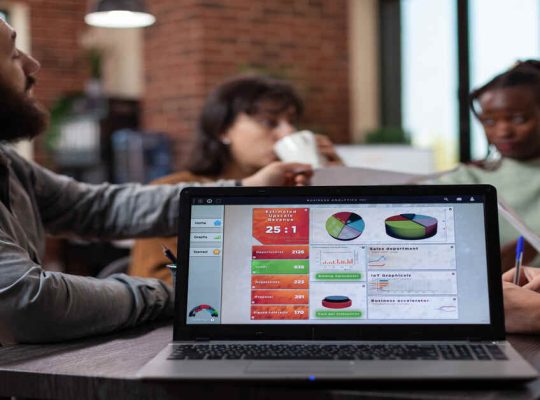


Technology trends are central elements in determining the future of global business in our fast-changing environment. As we enter 2026, innovations in AI, remote work, and sustainability are reshaping industries and increasing operational efficiency to unprecedented levels. Businesses that adapt to these dynamic changes will not only survive but thrive in the new digital era.
The Emergence of Artificial Intelligence and Machine Learning
Transforming Decision-Making
The technological state of the art is Artificial Intelligence (AI) and Machine Learning (ML) which is transforming the way business is done. The technologies can help organizations to make informed decisions in a short period by studying large volumes of data.
Real-Life Case Study: Amazon and other companies apply AI algorithms to suggest products to their customers, depending on the search history and their likes. This customization increases the user experience and sales.
Automation of Routine Tasks
Repetitive tasks can also be automated by AI and ML to allow the employees to devote more time to other strategic undertakings. As an example, AI-based chatbots will be able to answer customer questions 24/7 to respond quickly to the inquiries and enhance customer satisfaction.
The Increasing Remote Work Technology
Collaborative Platforms
The COVID-19 crisis boosted the implementation of remote working, and this is not going anywhere soon. In the future, companies will further depend on collaboration tools such as Microsoft Teams and Slack to encourage communication and teamwork between remote workers.
Expert Opinion: Gartner report estimates that by 2025, 70 percent of the workforce will be able to work remotely at least once in a week. Businesses need to invest in remote cooperation tools that will have a positive effect on productivity.
Virtual Reality and Augmented Reality
Remote work is increasingly becoming part of emerging technologies: Virtual Reality (VR) and Augmented Reality (AR). These applications enable virtual meetings and training programs, which enable employees to communicate in the virtual worlds, irrespective of their physical position.
Data Supported by the Research: A study by PwC showed that VR training has the potential to enhance the retention rate by up to 75 percent, when compared to the traditional approaches to employee training.
The Internet of Things (IoT) Growth
Enhanced Data Collection
Internet of Things (IoT) is defined as a network of devices that are connected to one another and exchange information. It is predicted that, by 2025, the IoT will transform how business is conducted by offering useful insights on the basis of real time information gathering.
Reality Case Study: Retail chains such as Walmart have applied IoT devices to track the inventory in real-time, which enable them to manage their supply chain more efficiently. This technology cuts down wastage and makes sure that the shelves contain the appropriate products.
Smart Manufacturing
In the manufacturing industry, IoT is capable of predictive maintenance, which can greatly lower down time and maintenance expenses. The sensors are able to check the health of equipment, warning the managers of possible problems before they become severe.
The Emergence of Blockchain Technology
Greater Security and Transparency
The technology of blockchain is becoming popular in different fields due to its potential to deliver transparent and safe transactions. The use of blockchain will become common by businesses in 2025 to ensure better security and foster trust with customers.
Expert Insight: A report by Deloitte suggests that 40 percent of organizations are exploring the use of blockchain technology to manage their supply chains due to its capability to offer an impeccable and safe history of the business.
Decentralized Finance (DeFi)
Another notable trend is the emergence of DeFi, which has allowed businesses and individuals to receive financial services without having to go through the middlemen. Blockchain platforms have smart contracts that enable automated transactions, which are cost-effective and more efficient.
Emphasis on Cybersecurity
Protecting Digital Assets
With the increasing digitization of businesses, cybersecurity threats are increasing. In order to ensure customer confidence, organizations will be required to emphasize on cybersecurity in order to secure sensitive data by 2025.
Evidence-Based Facts: Cybersecurity Ventures predicts that cybercrime would cost companies more than 10 trillion per year by 2025. Sustainable operations will require the investment in strong cybersecurity infrastructure.
A Culture of Security
Another challenge that the businesses will have to face is to develop a culture of security awareness among employees. Educational processes that will inform employees of possible risks and advise them on the best practices to adopt in protecting their data will also be necessary.
The Significance of Sustainability
Greener Business Practices
Business decisions in 2025 will have sustainability as a major contributor. The consumers are increasingly becoming environmentally aware and companies that embrace sustainable practices will be at an advantage.
Real-Life Case: There are companies such as Tesla that are in the forefront, advancing the cause of renewable energy and sustainable transportation. Consequently, they appeal to the environmentally-conscious consumers and investors.
Innovative Solutions
The new tools like AI and IoT can assist companies in monitoring their carbon footprints and minimizing them. As an example, smart energy management systems can streamline energy consumption in the real-time, which will be part of the sustainability objectives.
Conclusion: Readying to the Future
A business needs to be vibrant and receptive to the new technical trends just before 2025. Organizations can use AI, adopt remote work technologies, embrace the strength of IoT, embrace blockchain, embrace cybersecurity, and become committed to sustainability to be in a position to emerge successful in a growing competitive environment.
Final Thought: The future of business is not merely about the ability to keep pace with the changes in technology; it is about utilizing these changes to make value and improve customer experiences to bring about growth. Businesses can survive the dynamic digital economy by remaining ahead of such trends.