
The last time you felt like a really valued customer? These are moments, which are rare, and memorable to most of us. To create a customer experience that is exceptional is a system that would make the clients feel seen, heard, and cared about. In many cases, SaaS tools drive such a system which has become an important system in the modern business generation that has transformed organizations into customer centric powerhouse.
Have you ever wondered how a company seems to be able to answer a call in real time, anticipate your needs, and ensure you will be back? The answer is that there is a high possibility that SaaS-based CRM is working its magic. We will discuss how these tools are transforming business to customer relationships and how they can be used to expand your organization.
What Are SaaS Tools and Why Is It Crucial to CRM?
SaaS (Software as a Service) applications are those that are dealt with using the Internet as opposed to being installed on personal computers. Consider SaaS CRM applications such as Salesforce, HubSpot or Zoho CRM–applications that companies use daily to manage, track and foster customer relationships.
Since SaaS services are hosted in the cloud, they can be accessed anywhere and are always upgraded to meet new features. This ease of access accelerates teamwork and also lowers IT nightmares and also helps businesses of all sizes to compete on a global level. Remote teams and hybrid work environments are the new standard in 2025, and access to customer data any time will be priceless.
The SaaS and CRM Integration Power
In its core, customer relationship management is concerned with trust building, feedback listening and value delivery. However, when dealing with hundreds or thousands of customer interactions, it can be hard to handle them manually. This is where SaaS comes in and alters the game totally.
Using a SaaS based CRM platform, businesses are able to:
- Get all customer contact points including emails, calls as well as social media.
- Understand the trends in real-time and offer personalisation.
- It should automate repetitive workload and allow teams to concentrate on valuable relationships.
According to recent Gartner studies, 91 percent of organizations with over 10 employees have adopted a CRM system and most of them are using cloud-based SaaS applications. The reason? It will allow them to flex, save money, and easily expand with their client base.
Live Case Study: The Business Success of SaaS CRM Tools
We will discuss Priya, the founder of a boutique marketing agency. As the team of Priya fully transitioned to being remote, client project and communication tracking became disorganized. They embraced an agency-specific CRM system hosted in the clouds. At night, Priya would be able to view deal stages, project statuses and client notes- all real-time.
After several months, her agency was better in responding to customers, retaining clients, and sending invoices in time. According to Priya, our SaaS CRM was the main support of our business. We eventually began to work smarter and not harder.
Priya has thousands of small businesses like herself. SaaS CRM systems eliminate silos, bring about teamwork, and provide everybody with one source of truth about every customer- potent drivers of growth and satisfaction.
Important CRM Enhancement of SaaS Tools
Now, we will consider the specific ways in which the SaaS solutions can update and accelerate customer relationship management:
1. Real-Time Customer Insights
The SaaS CRMs gather and process the customer data at all the touchpoints in real time. As an illustration, a retail store will be able to evaluate when a buyer checks marketing emails, browses online product inventory or makes a call.
This cohesive perception can make the staff predict, solve them more quickly, and provide a personalized recommendation to the customer- memorable experiences and loyalty.
2. Repetitive Tasks Automation
There is no longer data entry manually or scanning through spreadsheets. The SaaS CRMs can automatically distribute leads, arrange follow-ups and send customized emails.
A study by Salesforce found that the sales productivity can increase up to 30 percent with the help of automation, and teams can focus on building authentic connections instead of doing busywork.
3. Anywhere, Anytime Access
Cloud-based signifies that you can have access to your data at all times- at the office, at home or when you are attending to a client. This is a game changer to the sales and support teams who require information on the go.
4. Interoperability With Other tools
The current SaaS services are linked with other business applications, including email marketing systems, invoicing software, or customer service software. By incorporating your CRM, you have a 360-degree picture of individual customers, and it simplifies the workflow, thus nothing gets left behind.
5. Actionable Reporting and Analytics
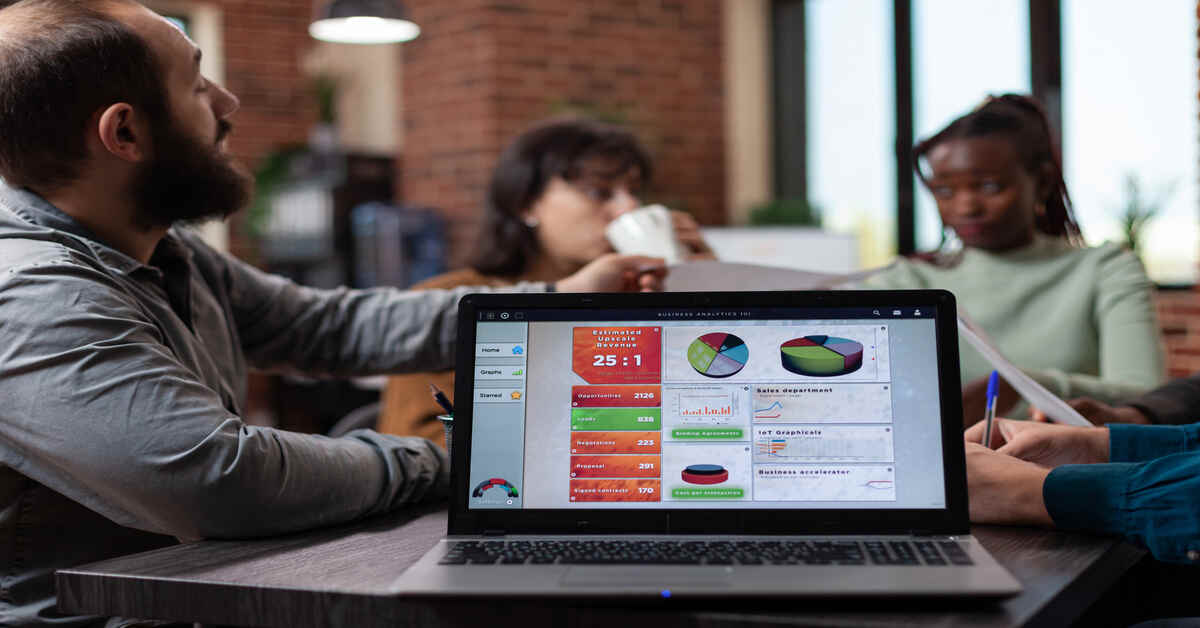
SaaS CRMs are associated with potent dashboards to monitor the sales pipelines, the conversion rates, and customer satisfaction in real time. Such insights enable leaders to make data-driven decisions in a short time, identify trends, and constantly enhance customer experience.
Insider Knowledge: The Future of CRM Is SaaS
Experts in the industry believe in the cloud-first and customer-obsessed future of CRM.
According to Dr. Lisa Chen, who is a digital transformation consultant, she observes,
With SaaS CRM platforms, the playing field is evened and small businesses can provide enterprise-like customer care. Such tools are democratizing access to world-class technology.
According to a recent IDC report, in 2027, almost all CRM implementations will be in the cloud, with the advantages of higher levels of cybersecurity, reduced costs of maintenance, and faster feature additions being the most significant.
Avoiding Problems: Selecting the option of the CRM SaaS
Not every SaaS CRM is the same. What should you consider?
- Scalability: Does the platform scale with your business?
- Easy to use: Is it easy to learn by your team?
- Security: Is customer data secure?
- Integration: Will it integrate with your existing tools?
Demos and trial periods are essential. You need to get something to work and make sure your selected CRM works best with your organization.
The Future: AI and Individualization of SaaS CRMs
Artificial intelligence is the following chapter in CRM. The most popular SaaS products now include AI to score leads, predict customer churn, and suggest products before an end user is even aware he or she needs them. Suppose having a CRM that does not only capture the past but also can shed light on the future of each customer.
Those brands that go on to embrace AI-driven SaaS CRM early will gain greater customer loyalty, accelerate growth, and gain greater competitive advantages.
FAQs
1. What are the advantages of SaaS solutions in CRM over legacy?
CRM based on the SaaS is scalable, continuously available, simple to modify and integrate readily with other applications to deliver real time customer information to enable timely decision-making.
2. Is SaaS CRM appropriate to small enterprises?
Absolutely! SaaS CRMs are scalable and affordable so that the small businesses are able to experience the enterprise-level functionality without massive initial capital expenditure and complicated IT infrastructure requirements.
3. Do SaaS CRM tools enhance retention of customers?
Yes. The SaaS CRM tools enable businesses to achieve strong customer interactions based on retention, customer relationship, and retention through automating follow-ups, customer preferences, and maintaining quicker response times, which leads to growth in retention.